
Department of Agriculture and Food Sciences
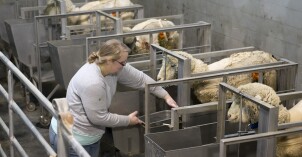
Manage livestock production from farm to market.
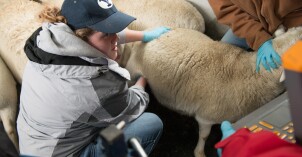
Prepare to work in animal production agriculture with an in-depth dive into the care, biology, and production of animals.
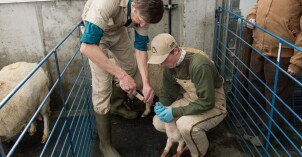
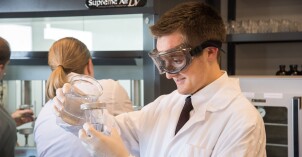
Study food preservation and processing with science and engineering.
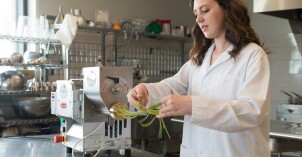
Study food's impact on health, wellness, and disease prevention.
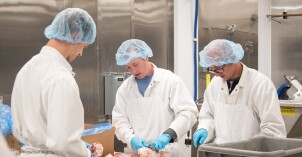
Manage the professional and business side of the food industry.
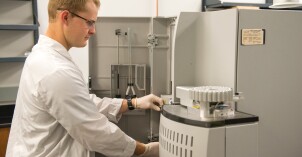
Food science combines biology, chemistry, engineering, and nutrition to study food production. This science seeks to understand food composition, develop new foods, improve processing methods, and ensure quality and safety from farm to table. The technology emphasis focuses on preparing students for careers in food science right after graduation.

Study how food affects the body and how to plan healthy eating.
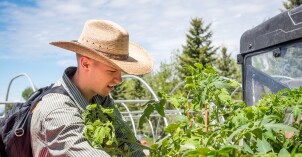
Learn the science and art of cultivating plants, fruits, vegetables, and ornamental gardens.

Find solutions to improve plant health and develop better agriculture practices with science and technology.
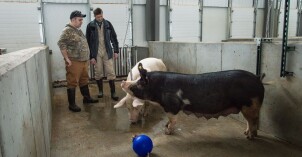
Gain a basic understanding about the biology and care of domesticated animals.
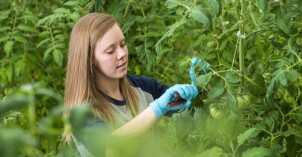
Gain a basic understanding of soils, irrigation, water management, gardening, and plant identification.

Artistic arrangement and creative use of fresh and artificial flowers.
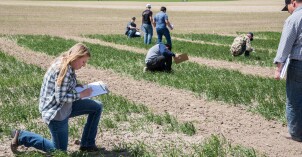
Gain a basic understanding of how to improve plant health with science.
Department of Chemistry and Biochemistry
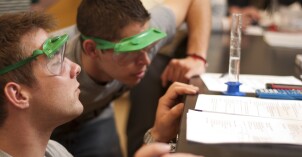
Study the chemistry of living things by focusing on life's molecules and functions.

Explore matter, its properties, how and why substances combine or separate.
Department of Computer Science and Engineering
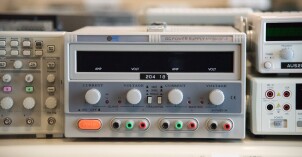
Design, develop, and test electrical equipment, systems, and machinery.
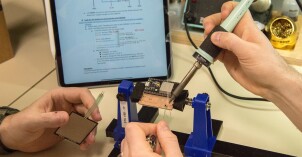
Design and build computer hardware and the software that controls it.


Protect computer systems, networks, and data from digital threats.


Design and create websites and web apps while improving User Experience (UX).
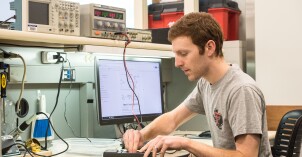
Design and build electronic systems and computing devices.

Gain a basic understanding of how to plan, create, and design websites.
Department of Design and Construction Management

Plan, organize, and oversee building projects from start to finish.

Use digital tools like building information modeling software (BIM) to plan and manage building projects.

Master the science and methods used to design and construct buildings.
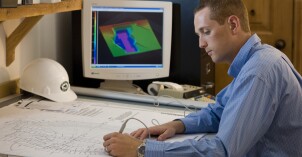
Manage day-to-day building site operations and workers.
Department of Engineering Technology

Explore the advanced automobile systems and how to maintain them.

Apply scientific and engineering knowledge to design, develop, and maintain various automotive systems.

Learn about care and maintenance of automobiles and how to manage an automotive-related business.

Improve production processes and systems that build products.

Use math, science, and tools to design and develop welding processes for quality engineering projects.

Learn about how to care and maintenance automobiles as an automotive repair technician.

Gain a basic understanding of welding and the techniques used to fuse metal.
Department of Geology and Environmental Science

Solve environmental problems and challenges by studying the Earth.

Department of Mathematics

Use math and computing software to find insights and solve complex problems with data.
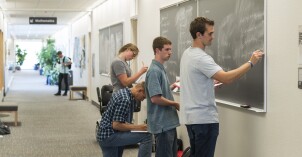

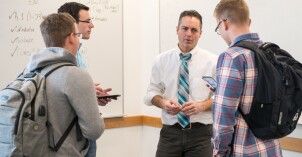
Teach math concepts and problem-solving skills to middle and high school students.

Gain a basic understanding of databases, statistics, and programming languages to solve problems with data.
Department of Mechanical and Civil Engineering
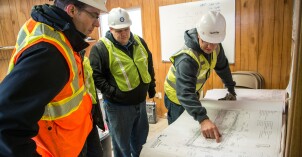
Design, build, and maintain essential public structures like roads, bridges, and buildings.

Design, analyze, and build mechanical systems and machines.
Department of Physics

Study how the universe works through principles of physics.
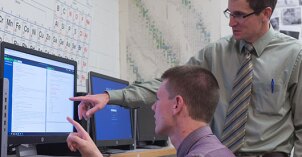
Use computers and programming to solve complex physics problems.
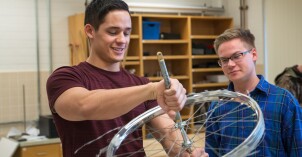
Apply physics principles in design to build practical technologies and systems.

Use advanced math to solve fundamental problems in physics theory.
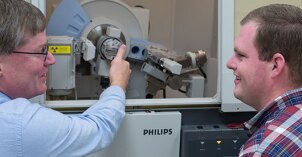
Use physics principles in medical imaging, diagnosis, and radiation therapy treatments.