

Do I Need a Bachelor’s Degree to Be Successful as an Allied Health Professional?
Allied health is one of the fastest-growing areas within healthcare, offering a wide range of career paths that support patient care, diagnosis, treatment, and rehabilitation. Because the field is so broad, there are many pathways that could be considered a successful career. Many allied health professionals build rewarding, stable careers without earning a bachelor’s degree, while others pursue advanced education to expand their responsibilities, earning potential, and leadership opportunities.
4 Min Read
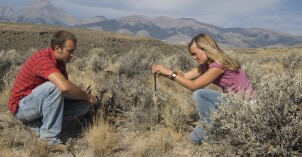
Management combines science, conservation, and the hands-on stewardship of ecosystems to protect and maintain wildlife populations. If you pursue a degree in Wildlife Management, what can you do with it? Truthfully, there is so much you can do. Our world is vast, and preserving its natural wonder requires many involved hands and hearts. From fieldwork to policy, research to rehabilitation, there are countless paths for those who want to make a difference.
3 Min Read

Prepare for a Career in Range Management
Range Management is the science and stewardship of rangelands. Rangelands are, “areas where the natural vegetation is comprised principally of grasses, forbs, grass-like plants, and shrubs suitable for browsing or grazing” (USDA Forest Service, n.d.). These lands support life for both natural ecosystems and communities. Wild grazers and other wildlife depend on the range for their food, migration, and everyday survival. For livestock, ranges provide space to roam, feed, and grow in a healthy environment.
5 Min Read

What You Can Do with a Fisheries Management Degree
Fisheries Managers use scientific research and study to sustain fish populations and improve natural aquatic ecosystems. Their work protects fish and their habitats, but their efforts also safeguard people in aquatic areas. Through research, policy, and restoration, fisheries professionals play a crucial role in protecting both the water and the life within it.
3 Min Read

Can you become a biomedical engineer with a biomedical science bachelor’s degree? What options do you have?
3 Min Read

Find out how biomedical science compares with biology and chemistry.
2 Min Read

A neuroscience degree explores how the brain and nervous system control movement, memory, emotions, and behavior, and how brain cells communicate to keep the body functioning. Graduates use this knowledge to improve health, understand human behavior, and explore scientific questions.
2 Min Read

Because microorganisms are everywhere, those who choose to study microbiology can work in a variety of different fields. While many options are available to students, some require more schooling or training than others. This list can help you get started planning your future schooling and career, but most importantly, it helps you find a job you are passionate about.
5 Min Read

Imagine cleaning up pollution in our oceans, or developing a new vaccine, or designing a new kind of fabric. With a degree in biotechnology, that could be you.
3 Min Read

You love biology and computers, so you chose a bioinformatics degree. But what happens after graduation? Where do you work? Who’s hiring? Where do you find a job you actually like?
3 Min Read

Have you ever wondered how research and data goes from numbers to solutions? That’s bioinformatics. From fighting diseases to protecting endangered species, bioinformatics touches almost every corner of modern biology. Bioinformatics tackles challenges like climate change and public health using data, computers, software, and algorithms.
3 Min Read

How do I get into the lab?
4 Min Read